
The Magic Already in Your Kitchen: Making Art with Natural Dyes
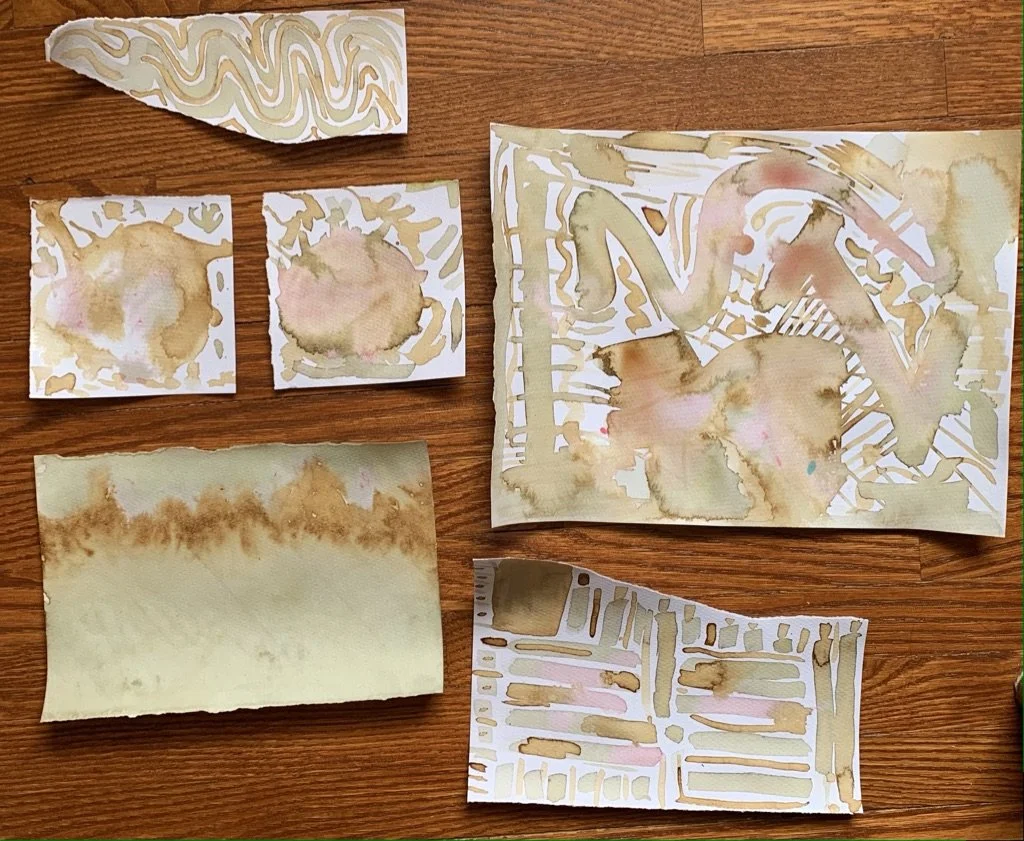
Homemade Dyes
Boiled red onion skills, lemon juice on boiled red onion skin dye and prepared instant coffee.
When many people think about making art, they imagine expensive supplies, specialty stores, or having the "right" materials before they can begin.
But some of the most beautiful colours are already waiting in your kitchen.
A well-steeped tea bag. Yesterday's coffee grounds. The papery skins from an onion. These everyday leftovers can become rich, earthy pigments that invite curiosity, play, and connection.
As an art therapist, one of my favourite things is helping people discover that creativity doesn't have to be complicated or costly. Sometimes the most meaningful art begins with what we already have.
A Gentle Note About Accessibility
Before we dive in, I want to acknowledge something important.
Food insecurity is a reality for many individuals and families. No one should ever feel encouraged to use food they need for nourishment as art materials.
When I talk about kitchen dyes, I'm referring to the scraps and leftovers that remain after preparing or enjoying food—used tea bags, brewed coffee grounds, onion skins destined for the compost, wilted herbs, or vegetable peels.
There's beauty in giving these everyday remnants a second life before they return to the earth.
Why Natural Dyes?
Natural dyes invite us to slow down.
Unlike bottled paint, they don't always behave the way we expect. Colours bloom gradually. Layers build softly. Every stain tells a slightly different story.
Working with natural materials also helps us notice the ordinary in new ways. The onion skin you peel away without thinking suddenly creates warm amber washes. A cup of black tea leaves behind soft sepia tones. Coffee offers rich browns that can feel grounding and comforting.
There is something deeply satisfying about transforming something familiar into something expressive.
Three Easy Kitchen Dyes to Try
Tea
Used black tea bags create warm tans and golden browns. Herbal teas such as pomegranate and hibiscus create soft pinks. Add some hot water back to the used tea bag and let it steep to produce the dye.
Perfect for:
Watercolour-style washes
Aging paper for journaling
Layering beneath pen or coloured pencil
Coffee
Save your used coffee grounds or cooled leftover coffee.
Coffee creates beautiful earthy browns and can even add subtle texture when the grounds are left in the mixture.
Perfect for:
Abstract painting
Backgrounds for collage
Mindful mark making
Onion Skins
The dry outer skins of yellow onions produce surprisingly rich oranges and golden browns when simmered in water. Red onion skins simmered in water produce a green dye and when mixed with a drop of lemon juice create a lovely pink hue.
Perfect for:
Watercolour experiments
Dyeing paper
Fabric or natural fibres
It's About the Process
Natural dyes remind us that art doesn't have to be perfect.
Some colours will be lighter than expected. Others may surprise you. The unpredictability becomes part of the creative experience.
In art therapy, we often discover that letting go of control creates space for curiosity, self-compassion, and new perspectives.
Perhaps that's the real gift of kitchen dyes, not just the colours they create, but the invitation to notice beauty in ordinary moments.
An Invitation
The next time you finish your morning tea or peel an onion for dinner, pause before throwing the scraps away.
Ask yourself:
"What else could this become?"
You can even store dry onion skins for later use in a container or bag.